Great cooking is not reserved for professional chefs, Michelin-starred restaurants, or kitchens equipped with gleaming copper pans and elaborate machinery. It begins with understanding ingredients, mastering a handful of essential methods, and discovering how flavors interact to create something extraordinary.
A perfectly seared mushroom, a silky butter sauce, or a simple bowl of pasta can become an unforgettable meal when the elements are balanced thoughtfully. The secret lies in the details: acidity that brightens richness, herbs that introduce aromatic complexity, textures that create contrast, and savory depth that makes every bite feel more satisfying.
This is where basic cooking skills evolve into something more sophisticated. With a little knowledge of culinary techniques, a reliable flavor pairing guide, and a deeper appreciation for umami flavors, everyday meals can take on the elegance and precision of restaurant-quality cuisine.
Whether preparing a quick weekday dinner or planning an intimate celebration, learning to understand flavor transforms cooking from a sequence of instructions into a creative, sensory experience.
1. Building a Foundation: The Basic Cooking Skills Every Home Chef Needs
Before experimenting with elaborate sauces or ambitious tasting menus, it is worth mastering the fundamentals. Professional kitchens rely on repetition, consistency, and careful observation. These principles are equally valuable at home.
Mastering Knife Skills
A knife is one of the most important tools in any kitchen. Learning to use it properly improves efficiency, encourages consistent cooking, and makes food preparation safer.
Uniform cuts are particularly important because ingredients of similar size tend to cook at similar rates. Finely diced onions soften more quickly than large chunks, while evenly sliced carrots are easier to cook without leaving some pieces underdone and others mushy.
Start with a few fundamental cuts:
- Dice: Small, evenly sized cubes suitable for sauces, soups, and aromatic vegetable bases.
- Julienne: Thin matchsticks ideal for stir-fries, salads, and delicate garnishes.
- Chiffonade: Fine ribbons made by stacking and slicing leafy herbs or greens.
- Rough chop: Larger, irregular pieces suitable for rustic dishes and ingredients that will be blended.
Keep the knife sharp, use a stable cutting board, and curl the fingertips of the guiding hand away from the blade.
Precision need not mean perfection. It means consistency.
Understanding Heat Control
Heat is one of the most consequential variables in cooking. Too little, and ingredients may steam when they should brown. Too much, and garlic can become bitter, butter can burn, and delicate proteins can dry out.
Learn to distinguish between several common heat levels.
Low heat is ideal for gently melting butter, softening onions, warming sauces, and cooking delicate custards.
Medium heat works well for sautéing vegetables, preparing omelets, and cooking many everyday dishes.
High heat is useful for searing meat, stir-frying, and creating a browned exterior, provided the ingredients and cookware can withstand the temperature.
Preheating a pan appropriately also matters. Adding food to a cold skillet can interfere with browning, while heating an empty non-stick pan excessively can damage its coating.
Seasoning with Confidence
Salt is more than a seasoning. It helps amplify the perception of flavor and can make ingredients taste more complete.
However, seasoning is not simply a matter of adding more salt. Timing matters, too.
Seasoning meat before cooking can help distribute flavor, while salting pasta water seasons the pasta itself. A pinch of salt added to caramelized onions can complement their sweetness.
Taste as the dish develops, not only at the end.
Professional cooks often season in stages, adjusting the balance as ingredients are introduced. This incremental approach creates greater depth than attempting to correct an underseasoned dish with a last-minute avalanche of salt.
Learning to Taste
A confident cook develops a discerning palate.
Taste for saltiness, sweetness, acidity, bitterness, savoriness, and the overall intensity of the dish. Notice whether a sauce feels heavy, whether a soup tastes flat, or whether a salad needs a sharper finish.
A useful question is: What is missing?
Sometimes the answer is salt. Sometimes it is lemon juice, black pepper, fresh herbs, or a splash of vinegar.
Learning to diagnose flavor is one of the most valuable basic cooking skills because it allows recipes to become adaptable rather than rigid.
2. Essential Culinary Techniques That Transform Everyday Ingredients
Once the fundamentals are established, a handful of culinary techniques can dramatically improve the quality of home-cooked food.


Searing: Creating a Golden Crust
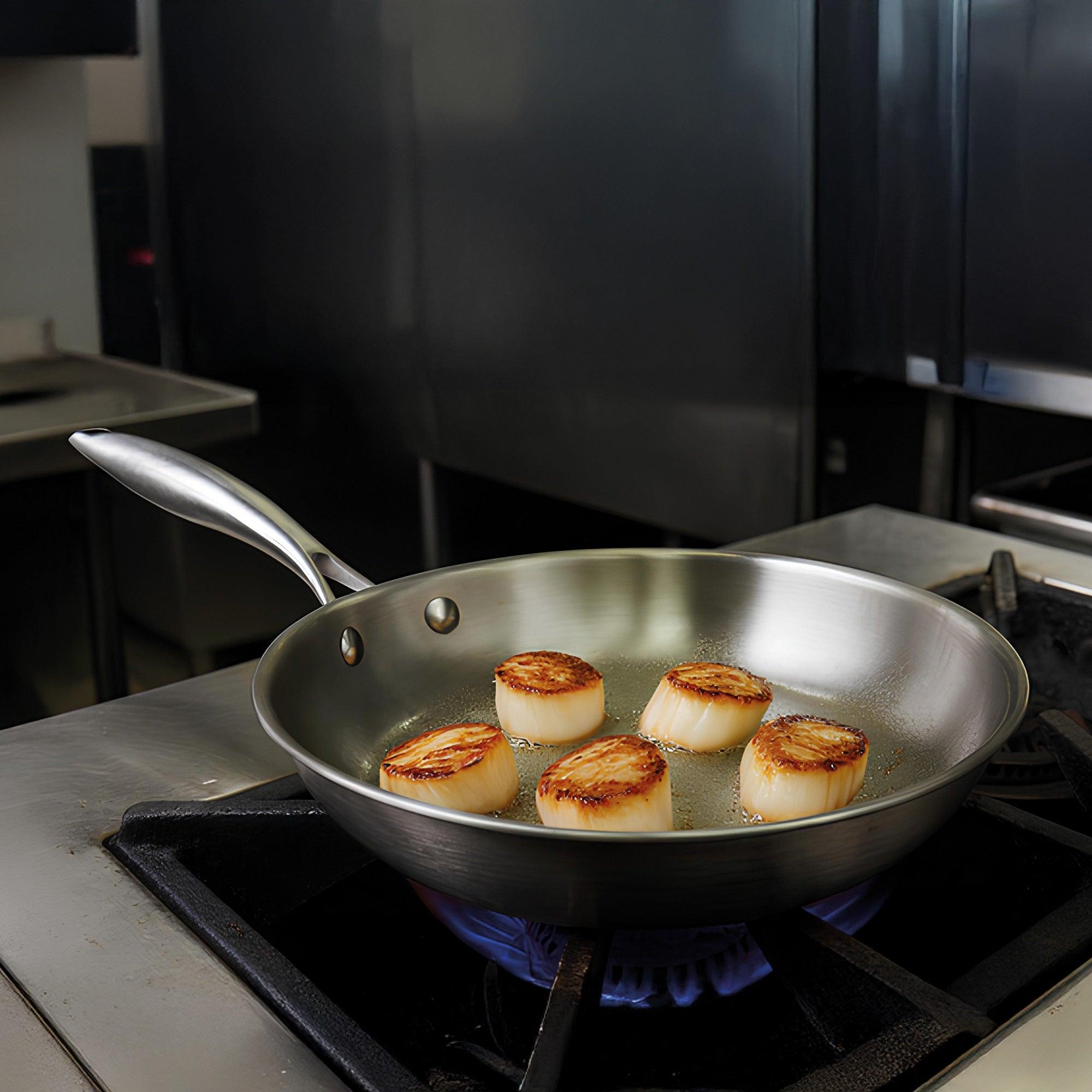
Searing creates a deeply browned exterior through a collection of chemical reactions, including the Maillard reaction. This reaction occurs when amino acids and reducing sugars react under suitable conditions, producing a complex assortment of aromas and flavors.
For a successful sear, dry the surface of the ingredient, preheat the pan appropriately, and avoid overcrowding it.
When too much food is added at once, the pan temperature can drop, encouraging moisture to accumulate rather than allowing the exterior to brown efficiently.
Searing works beautifully with steak, chicken, mushrooms, scallops, aubergine, and firm tofu.
The resulting crust provides not only color but also a more intricate flavor profile.
Roasting: Concentrating Natural Sweetness
Roasting is particularly effective for vegetables.
Carrots, cauliflower, onions, squash, and Brussels sprouts develop deeper flavors as their surfaces brown and moisture evaporates. Their natural sweetness becomes more pronounced, creating a satisfying contrast with bitter greens, sharp cheese, or acidic dressings.
Cut vegetables into similar sizes, coat them lightly with oil, and give them enough space on the baking tray.
Crowding encourages steaming. Space encourages browning.
Finish roasted vegetables with lemon zest, chopped parsley, toasted nuts, or a restrained drizzle of balsamic vinegar.
Deglazing: Turning Pan Residue into Sauce
After searing meat or vegetables, a pan often contains browned residue known as fond. Rather than scrubbing it away immediately, use it as the foundation for a sauce.
Remove excess fat if necessary, then add a suitable liquid such as stock, wine, or water. Gently scrape the pan to release the browned material.
Allow the liquid to reduce, then enrich it with butter, herbs, mustard, or another complementary ingredient.
This technique transforms the remnants of cooking into a concentrated, savory accompaniment.
A humble chicken breast can suddenly feel restaurant-worthy with a glossy shallot and thyme sauce.
Emulsification: Creating Silky Sauces
An emulsion combines liquids or ingredients that would otherwise separate, such as oil and water.
Mayonnaise, vinaigrette, hollandaise, and many pasta sauces depend on this principle.
For a basic vinaigrette, combine vinegar or lemon juice with mustard, salt, and pepper. Whisk in olive oil gradually until the dressing becomes cohesive.
For a richer sauce, butter can be incorporated into a reduced liquid over gentle heat.
Temperature and gradual incorporation matter. Excessive heat can destabilize certain emulsions, while adding fat too quickly may make them difficult to combine.
The result, when successful, is smooth, cohesive, and luxurious.
3. Understanding the Science of Flavor Pairing
A thoughtful flavor pairing guide begins with one fundamental idea: ingredients do not exist in isolation.
Their aromas, tastes, textures, and chemical compounds interact. Some combinations create harmony, while others provide contrast.
The most compelling dishes often balance both.
The Six Dimensions of Taste
Human taste perception is commonly described through five basic tastes, with fat contributing substantially to mouthfeel and flavor perception.
|
Taste or sensation
|
Culinary role
|
Ingredients to explore
|
| — | — | — |
|
Sweet
|
Softens sharp or bitter notes
|
Honey, carrots, ripe tomatoes
|
|
Sour
|
Adds brightness and cuts richness
|
Lemon, lime, vinegar
|
|
Salty
|
Enhances flavor perception
|
Salt, olives, soy sauce
|
|
Bitter
|
Provides complexity and contrast
|
Radicchio, coffee, dark chocolate
|
|
Umami
|
Adds savory depth
|
Mushrooms, aged cheese, miso
|
|
Fat and richness
|
Adds body and carries aromas
|
Butter, olive oil, cream
|
These elements need not appear in equal proportions. Their balance depends on the dish.
A rich cream sauce may need acidity to feel lively, while a sharp citrus dressing may benefit from a little sweetness.
Pairing by Contrast
Contrast is one of the simplest ways to make a dish more interesting.
Consider the following combinations:
- Richness and acidity: Creamy pasta with lemon zest.
- Sweetness and bitterness: Roasted carrots with bitter greens.
- Saltiness and sweetness: Prosciutto with ripe melon.
- Crunch and softness: Toasted hazelnuts over a silky purée.
- Heat and coolness: Spiced vegetables with a yogurt sauce.
Contrast creates movement across the palate. Instead of tasting one monotonous sensation, the diner experiences several complementary dimensions.
Pairing by Complementary Aromas
Ingredients can also work well together because they share aromatic characteristics.
Tomatoes and basil are a classic example. Their fresh, green aromas complement the fruity character of ripe tomatoes.
Rosemary pairs naturally with roasted potatoes and lamb because its resinous, woody fragrance suits robust, browned ingredients.
Lemon and seafood form another familiar partnership: citrus introduces freshness that complements the delicate flavor of fish and shellfish.
Other useful combinations include:
- Pear and blue cheese
- Strawberry and balsamic vinegar
- Mushroom and thyme
- Pork and apple
- Chocolate and orange
- Aubergine and miso
- Garlic and parsley
A flavor pairing guide is most useful when treated as a source of inspiration rather than a rigid set of rules. Unexpected combinations can work beautifully when their intensity, texture, and seasoning are considered carefully.
4. Umami: The Secret Behind Deep, Satisfying Flavor


6
Among the basic tastes, umami has a particularly important role in savory cooking.
The Japanese word umami is commonly translated as “pleasant savory taste.” It is associated with glutamate and certain nucleotides, compounds naturally present in many foods.
Ingredients rich in these compounds can provide a rounded, mouth-filling savoriness that makes dishes feel more complete.
Foods Rich in Umami
Some familiar sources of umami include:
- Mature Parmesan and other aged cheeses
- Ripe tomatoes and tomato paste
- Mushrooms, especially dried varieties
- Soy sauce
- Miso
- Anchovies
- Seaweed
- Fermented fish sauces
- Meat and certain seafood
- Long-simmered stocks
These ingredients can add remarkable complexity even when used in modest quantities.
A teaspoon of miso in a vegetable soup, for example, can introduce savory depth without making the dish taste overtly like miso. A little tomato paste can make a braise taste more concentrated, while grated Parmesan can add a savory finish to roasted vegetables.
How Umami Works in Combination
Umami becomes particularly interesting when ingredients are combined.
Glutamate occurs naturally in foods such as tomatoes, Parmesan, and many mushrooms. Certain foods, including some meats and seafood, contain nucleotides such as inosinate or guanylate.
When glutamate-rich ingredients are combined with suitable nucleotide-rich ingredients, their savory impact can be enhanced.
This is one reason mushroom stock can work beautifully in a meat-based sauce, or why Parmesan and tomato create such a satisfying foundation for pasta.
The principle is not that every savory ingredient should be piled into one dish. Too many intense ingredients can obscure the character of the main component.
Instead, use one or two sources of umami to establish depth, then balance them with freshness, acidity, and texture.
A Simple Umami-Rich Tomato Sauce
For a more complex tomato sauce, gently cook chopped onion and garlic in olive oil. Add tomato paste and cook briefly until its color deepens.
Stir in crushed tomatoes, a little stock if needed, and a small amount of finely chopped anchovy or a spoonful of miso. Simmer until the sauce thickens, then finish with fresh basil and a restrained splash of olive oil.
Taste before adding salt because the anchovy or miso may already contribute considerable salinity.
The result is savory, rounded, aromatic, and adaptable to pasta, roasted vegetables, or braised beans.
5. Creating Fine Dining at Home
Fine dining at home is not about reproducing the extravagance of an expensive restaurant. It is about bringing intention to every stage of the meal.
The ingredients may be simple. The execution should be thoughtful.


Start with a Clear Menu
A coherent menu tells a culinary story.
Instead of serving several rich dishes that compete for attention, consider a progression of contrasting sensations.
For example:
Starter: Tomato carpaccio with basil oil and aged Parmesan.
Main course: Pan-seared chicken with mushroom jus, roasted carrots, and buttery potatoes.
Dessert: Dark chocolate mousse with fresh berries and a hint of orange zest.
The tomato starter provides acidity and freshness. The main course introduces browned flavors and umami. The dessert offers richness balanced by the fruit’s brightness.
Each course has a distinct identity, yet the overall meal feels connected.
Pay Attention to Texture
Texture can be just as important as taste.
A dish containing only soft elements may feel monotonous, even if the seasoning is excellent. Adding a crisp, crunchy, or chewy component creates contrast.
Consider pairing a smooth cauliflower purée with toasted hazelnuts, a tender piece of fish with crisp-skinned potatoes, or a creamy dessert with a delicate biscuit.
The objective is not to add crunch indiscriminately. It is to create a purposeful contrast that improves the eating experience.
Use Garnishes with Purpose
Garnishes should contribute something meaningful.
Fresh herbs can introduce fragrance. Citrus zest can brighten rich dishes. Toasted nuts can add crunch and warmth. A small amount of herb oil can provide color and aromatic intensity.
Avoid decorating a plate with ingredients that have no relationship to the food beneath them.
Every component should earn its place.
Control Portion Sizes
Restaurant-style presentation often benefits from restraint.
A plate does not need to be crowded to feel generous. Leaving negative space can make the main ingredient appear more deliberate and help the dish look composed.
However, visual elegance should never come at the expense of a satisfying meal.
Balance the portion with the number of courses and the appetite of the diners.
Make Timing Part of the Recipe
An excellent dish can disappoint if it reaches the table lukewarm or if several components finish at different times.
Read the entire recipe before cooking, prepare ingredients in advance, and identify which components can be made ahead.
Sauces can often be prepared before the main protein. Vegetables can be washed and cut in advance. Desserts may be chilled several hours before serving.
This organization allows the final stages of cooking to feel controlled rather than frantic.
6. Building a Practical Flavor Pairing Guide for Everyday Meals
The easiest way to develop a stronger palate is to work with familiar ingredients and change one element at a time.
The following combinations provide useful starting points.
|
Main ingredient
|
Flavor companions
|
Why the combination works
|
| — | — | — |
|
Chicken
|
Lemon, thyme, garlic
|
Acidity and herbs complement mild savory flavors
|
|
Mushrooms
|
Soy sauce, butter, parsley
|
Umami, richness, and freshness create depth
|
|
Salmon
|
Dill, lemon, mustard
|
Aromatic herbs and acidity complement fatty fish
|
|
Tomatoes
|
Basil, Parmesan, black pepper
|
Fresh aromas and savory depth reinforce tomato’s sweetness
|
|
Aubergine
|
Miso, sesame, ginger
|
Fermented savoriness and aromatic warmth add complexity
|
|
Beef
|
Rosemary, mustard, mushrooms
|
Woody herbs and savory ingredients suit browned meat
|
|
Cauliflower
|
Cumin, yogurt, lemon
|
Earthy spice, creaminess, and acidity provide contrast
|
|
Strawberries
|
Black pepper, balsamic vinegar
|
Aromatic spice and acidity accentuate fruity notes
|
|
Dark chocolate
|
Orange, coffee, sea salt
|
Bitterness, citrus aroma, and restrained salt create complexity
|
Use these combinations as foundations. Adjust quantities according to the ingredient’s intensity and the desired result.
The Three-Part Finishing Method
When a dish tastes almost right but lacks distinction, consider three finishing elements:
- Freshness: Lemon juice, vinegar, fresh herbs, or citrus zest.
- Depth: Parmesan, mushrooms, miso, roasted garlic, or reduced stock.
- Texture: Toasted seeds, crispy onions, nuts, or breadcrumbs.
Not every dish needs all three. The method simply provides a practical way to identify what might be missing.
For example, roasted cauliflower may already have excellent texture and caramelized depth. A squeeze of lemon and a handful of parsley could be all it needs.
7. The Art of Sauces, Stocks, and Reductions
A well-made sauce can transform a plate more dramatically than an expensive ingredient.
Stocks provide a flavorful foundation. Reductions concentrate aromas and savory compounds by evaporating water. Emulsions create a silky consistency, while fresh herbs and acids supply the final lift.
Make the Most of Stock
A homemade vegetable or chicken stock can add depth to soups, grains, sauces, and braises.
Roasted vegetables can contribute caramelized notes, while mushrooms, tomatoes, and aromatic vegetables can build additional savoriness.
When using commercial stock, taste it before seasoning because sodium levels vary considerably.
Understand Reduction
Reducing a liquid means simmering it until some water evaporates and the remaining flavors become more concentrated.
A reduced stock can become the base of a glossy sauce, but reduction also concentrates salt. If a liquid is already highly seasoned, reduce it cautiously.
Finish with Freshness
Rich sauces often benefit from a final adjustment of acidity.
A few drops of lemon juice or vinegar can restore definition without making the sauce overtly sour.
This final calibration is an important part of refined cooking: richness, savoriness, and acidity should complement one another rather than compete.
8. Common Flavor Pairing Mistakes to Avoid
Even promising ingredients can become unbalanced when several small decisions go wrong.
Overloading the Dish
Adding Parmesan, soy sauce, anchovies, miso, and stock to the same sauce may create excessive saltiness and muddle the flavor.
Choose a primary source of umami and add secondary ingredients selectively.
Confusing More Seasoning with Better Seasoning
A dish can be intensely seasoned yet poorly balanced.
If a sauce tastes harsh, adding more salt may make matters worse. A small amount of fat, sweetness, or dilution may be more appropriate, depending on the problem.
Ignoring Acidity
Rich foods can become tiring when they lack contrast.
Lemon, vinegar, tomatoes, and other acidic ingredients can make heavy dishes taste more lively.
Using Too Many Competing Aromatics
Rosemary, mint, dill, sage, basil, and tarragon each have distinct aromatic profiles. Combining too many in a single dish can make their individual contributions difficult to recognize.
Choose herbs that complement the principal ingredient.
Neglecting Temperature and Texture
A crisp garnish loses its appeal when it becomes soggy. A delicate sauce may thicken excessively as it cools. A beautifully seared protein can lose its crust if left beneath a cover that traps steam.
Serve components with their intended textures in mind.
9. Developing Your Own Culinary Intuition
Recipes are valuable teaching tools, but culinary confidence grows when cooks understand why ingredients behave as they do.
Begin with a familiar dish and make small, deliberate variations.
Prepare roasted carrots with thyme one evening. The next time, try cumin and lemon. On another occasion, add yogurt and toasted seeds.
Notice the differences.
The same experiment can be applied to pasta sauces, salad dressings, soups, and marinades.
Keeping brief notes can help identify successful combinations. Record approximate quantities, cooking temperatures, and finishing ingredients rather than relying entirely on memory.
Over time, these observations develop into a personal repertoire.
This is how a flavor pairing guide becomes more than a list of ingredients. It becomes a framework for making informed decisions.
10. A Simple Restaurant-Style Dinner to Try at Home

A straightforward chicken dinner demonstrates how the principles work together.
Ingredients
- 2 chicken breasts
- 200 g mushrooms, sliced
- 2 shallots, finely chopped
- 2 garlic cloves, minced
- 200 ml chicken stock
- 1 teaspoon Dijon mustard
- 1 tablespoon butter
- Olive oil
- Fresh thyme
- Lemon juice
- Salt and black pepper
- Roasted carrots and mashed potatoes, to serve
Method
1. Prepare the accompaniments. Roast the carrots with olive oil, salt, and thyme until tender and lightly caramelized. Prepare the mashed potatoes and keep them warm.
2. Season the chicken. Pat the chicken dry, then season it with salt and pepper. This helps the surface brown more effectively.
3. Sear the chicken. Heat an appropriate skillet, add a little oil, and sear the chicken until golden. Turn as needed and cook until it reaches a safe internal temperature of 74°C (165°F) at the thickest point. Rest it before serving.
4. Build the mushroom sauce. In the same pan, sauté the mushrooms until browned. Add the shallots and garlic, cooking gently until fragrant.
5. Deglaze. Add the chicken stock and scrape up the browned residue. Stir in the mustard and thyme, then simmer until the liquid reduces slightly.
6. Finish the sauce. Stir in the butter over gentle heat. Add a few drops of lemon juice, taste, and adjust the seasoning.
7. Plate with intention. Spoon the mashed potatoes onto each plate, add the roasted carrots, and position the sliced chicken alongside them. Finish with the mushroom sauce and a little fresh thyme.
The dish combines several important principles: browning creates complexity, mushrooms contribute umami flavors, stock builds a savory foundation, butter provides richness, and lemon restores brightness.
Nothing about the ingredient list is extravagant. The difference lies in technique, timing, and balance.
Conclusion: From Everyday Cooking to Exceptional Dining
The journey from basic home cooking to restaurant-style meals begins with curiosity and develops through practice.
Mastering basic cooking skills establishes the foundation. Understanding heat, knife work, seasoning, and timing allows ingredients to reach their potential. Applying thoughtful culinary techniques introduces new dimensions of texture, aroma, and complexity.
A practical flavor pairing guide helps identify combinations that work through complementary aromas or deliberate contrast, while understanding umami flavors reveals how ingredients such as mushrooms, tomatoes, aged cheese, and miso can create satisfying savory depth.
Ultimately, fine dining at home is less about expensive equipment or elaborate presentation than it is about intention. Choose ingredients that work together. Season in stages. Balance richness with acidity. Introduce contrasting textures. Give each component a clear purpose.
Most importantly, taste as you cook.
A modest collection of ingredients, treated with care and understanding, can produce extraordinary results. And with each meal, the kitchen becomes a place not merely to follow recipes, but to explore, experiment, and create something distinctly your own.