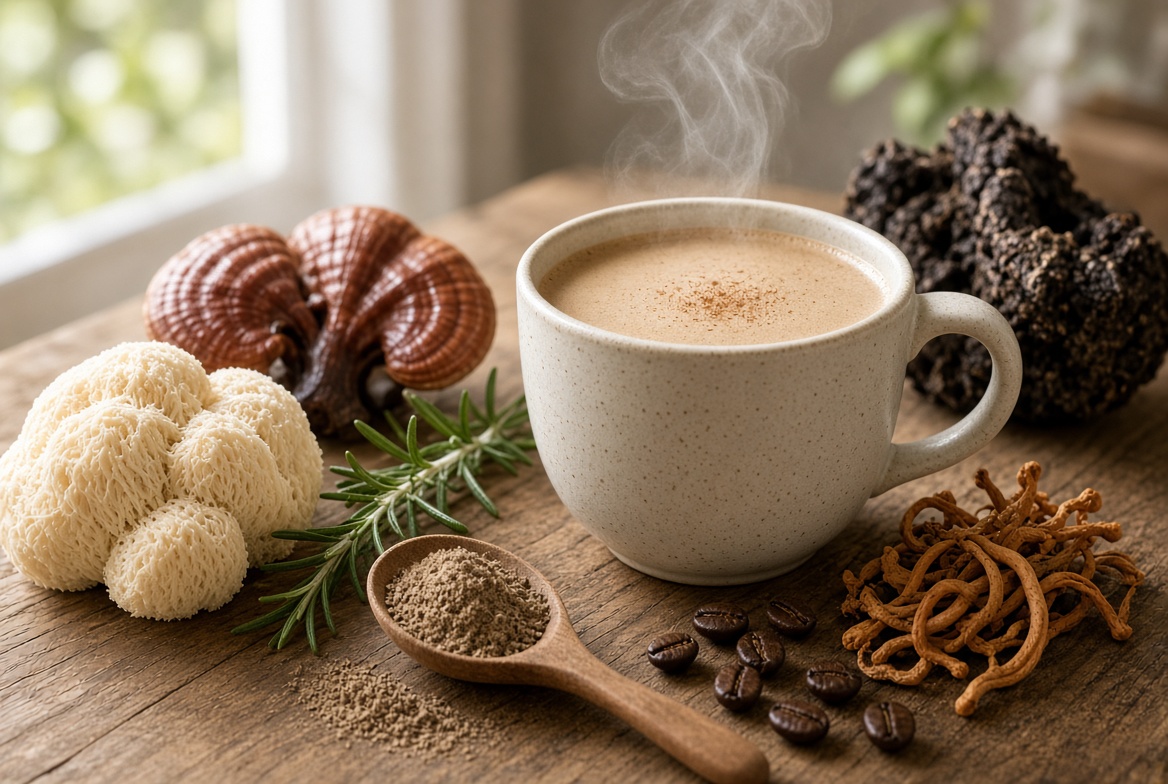
In the hyper-optimized landscape of modern biohacking, few daily rituals have undergone as intense a rebranding as the morning cup of java. Millions of consumers globally view coffee not merely as an aromatic beverage, but as a non-negotiable chemical delivery system for cognitive function. Yet, traditional coffee comes with an established physiological tax: systemic cortisol spikes, gastrointestinal hyperacidity, cardiac arrhythmias, and the dreaded mid-afternoon energy precipice.
Enter functional fungi blends. By pairing roasted Arabica or Robusta beans with dual-extracted medicinal mushrooms, beverage manufacturers claim to have solved the coffee paradox. But behind the minimalist packaging, glowing influencer endorsements, and premium price tags, an essential question remains: is mushroom coffee actually good for you, or is it simply a masterclass in modern wellness marketing?
The Chemical Paradigm: Coffee Meets Adaptogenic Fungi
To understand the functional claim, one must first dissect the neurochemical friction caused by standard coffee. Caffeine operates primarily by blocking adenosine receptors in the central nervous system. Adenosine accumulates throughout waking hours to signal fatigue; by occupying these receptors, caffeine delays the perception of exhaustion. However, this mechanism simultaneously triggers the pituitary gland to release adrenocorticotropic hormone (ACTH), prompting the adrenal cortex to secrete cortisol and epinephrine.
For individuals with underlying metabolic or sympathetic nervous system dominance, this daily surge causes chronic, low-grade physiological distress.
Functional mushroom coffee seeks to modify this response through adaptogenesis. By incorporating concentrated extracts of species such as Lion’s Mane (Hericium erinaceus), Reishi (Ganoderma lucidum), Chaga (Inonotus obliquus), and Cordyceps (Cordyceps militaris), the beverage introduces bio-active compounds—specifically beta-d-glucans, triterpenoids, and hericenones—that modulate the stress response while buffering the digestive tract.
What Are the Real Health Benefits?
When examining what are the health benefits of mushroom coffee, it is critical to separate established pharmacological research on fungal extracts from consumer marketing claims. When properly processed through dual-extraction methods (combining hot water and alcohol extraction to break down chitin cell walls), medicinal fungi deliver several distinct physiological advantages:
1. Neuroprotection and Executive Function
Standard caffeine provides acute alertness but lacks long-term neuroprotective qualities. Lion’s Mane mushroom contains hericenones and erinacines, low-molecular-weight compounds capable of crossing the blood-brain barrier. These compounds stimulate the synthesis of Nerve Growth Factor (NGF), a protein crucial for the survival, maintenance, and regeneration of hippocampal neurons.
2. Immunomodulation and Systemic Inflammation
Understanding what are the benefits of drinking mushroom coffee requires looking into gut-associated lymphoid tissue (GALT). Fungi are exceptionally rich in beta-glucans—complex polysaccharides that interact with dectin-1 and toll-like receptors on immune cells. Rather than over-stimulating the immune apparatus, these compounds exert a modulating effect, sharpening pathogen detection while downregulating pro-inflammatory cytokine production.
3. Gastrointestinal Homeostasis
Traditional coffee exhibits a high titratable acidity, which can agitate gastric mucosa, promote esophageal reflux, and accelerate transit time to the point of nutrient malabsorption. Fungal extracts act as an alkaline buffer. Furthermore, the prebiotic fiber content in mushroom blends provides a substrate for beneficial gut flora, promoting short-chain fatty acid (SCFA) production like butyrate.
Evaluating the Anti-Inflammatory Axis
Cellular oxidative stress lies at the root of almost every chronic metabolic dysfunction, from insulin resistance to cardiovascular disease. Standard coffee beans do contain chlorogenic acid antioxidants, but high-temperature roasting often degrades these delicate compounds while creating acrylamides.
Formulating mushroom coffee anti inflammatory mixtures counteracts this degradation. Species like Chaga possess an exceptionally high Oxygen Radical Absorbance Capacity (ORAC) value, rich in superoxide dismutase (SOD) and betulinic acid. When consumed regularly, these antioxidants neutralize free radicals, reduce lipid peroxidation, and protect endothelial tissue from chronic vascular irritation.
For consumers wondering, are mushroom coffees good for you in terms of long-term cellular defense, the presence of these stable fungal antioxidants provides a compelling biological case.
Gender-Specific Efficacy: Male Hormonal and Physical Performance
A growing segment of the market focuses on targeted physiological outcomes, particularly regarding endocrine support and physical endurance. A frequent topic of inquiry revolves around brand-specific formulations, such as ryze coffee benefits for men.
From an objective nutritional standpoint, male physiological benefits stem directly from specific fungal components included in these blends:
-
Cordyceps and ATP Synthesis: Cordyceps contains cordycepin and adenosine, which enhance cellular energy production by increasing intracellular adenosine triphosphate (ATP) levels. For men engaged in physical training or demanding labor, this translates to improved VO2 max and delayed lactic acid accumulation.
-
Nitric Oxide Production: Active compounds in Cordyceps stimulate endothelial nitric oxide synthase (eNOS), enhancing vasodilation, arterial blood flow, and oxygen delivery throughout peripheral tissues.
-
Adrenal Buffering and Testosterone Preservation: Chronic cortisol elevation directly suppresses the hypothalamic-pituitary-gonadal (HPG) axis, leading to reduced free testosterone levels. By utilizing adaptogens like Reishi to blunt excessive cortisol spikes, mushroom coffee helps preserve optimal baseline hormonal balance in men subjected to chronic lifestyle stress.
Side-by-Side Comparison: Traditional Coffee vs. Functional Mushroom Blends
To analyze whether is mushroom coffee worth it from a macro-nutritional and physiological perspective, consider the following objective comparison:
| Metric / Attribute | Standard Black Coffee | Functional Mushroom Blend |
| Caffeine Load (per 8 oz) | 95 mg – 180 mg | 40 mg – 50 mg |
| Nervous System Impact | Sharp sympathetic stimulation; cortisol spike | Balanced alertness; adaptogenic stress regulation |
| Gastrointestinal pH Impact | Acidic (pH 4.5 – 5.0); potential reflux trigger | Alkaline-buffered; gentler on gastric mucosa |
| Primary Active Biomolecules | Caffeine, Chlorogenic Acid | Caffeine, Beta-Glucans, Triterpenes, Hericenones |
| Energy Curve | Rapid peak followed by acute afternoon crash | Smooth plateau with sustained cognitive stamina |
| Cost Per Serving (Average) | $0.20 – $0.50 (Home brew) | $1.00 – $1.80 (Specialty blend) |
The Economic and Value Reality: Is It Worth the Price Tag?
Determining whether is mushroom coffee worth it requires evaluating the cost-to-benefit ratio. Functional coffee blends routinely cost three to four times more per serving than premium single-origin coffee beans.
When the Value Is Justified:
-
Caffeine Sensitivity: If you experience cardiac jitters, anxiety, or insomnia from regular coffee, the reduced caffeine load paired with l-theanine and adaptogens offers a functional solution without forcing you to abandon your morning ritual.
-
Digestive Vulnerability: Individuals prone to gastritis, acid reflux, or IBS often find that the low-acidity profile of mushroom blends allows them to enjoy coffee without gastrointestinal distress.
-
Convenience Factor: Buying standalone adaptogenic tinctures and high-grade mushroom powders to mix into standard coffee is often messy and equally expensive. Pre-blended formulas offer a seamless, time-saving delivery method.
When to Exercise Caution:
If you are expecting an immediate, pharmaceutical-level transformation from a single cup, you will likely be disappointed. Adaptogenic fungi operate via cumulative tissue saturation over weeks of consistent consumption, not instant neurochemical surges. Furthermore, consumers on a strict budget can achieve similar anti-inflammatory and cognitive benefits through whole-food diets, standalone mushroom supplements, or quality green tea at a fraction of the cost.
Final Verdict
So, is mushroom coffee actually good for you? The scientific consensus points to a resounding yes—provided you select products that utilize dual-extracted, organic fruiting bodies rather than cheap mycelial biomass grown on grain.
By replacing high-dose caffeine spikes with a balanced matrix of adaptogens, antioxidants, and beta-glucans, functional mushroom coffee successfully bridges the gap between daily indulgence and proactive health optimization.