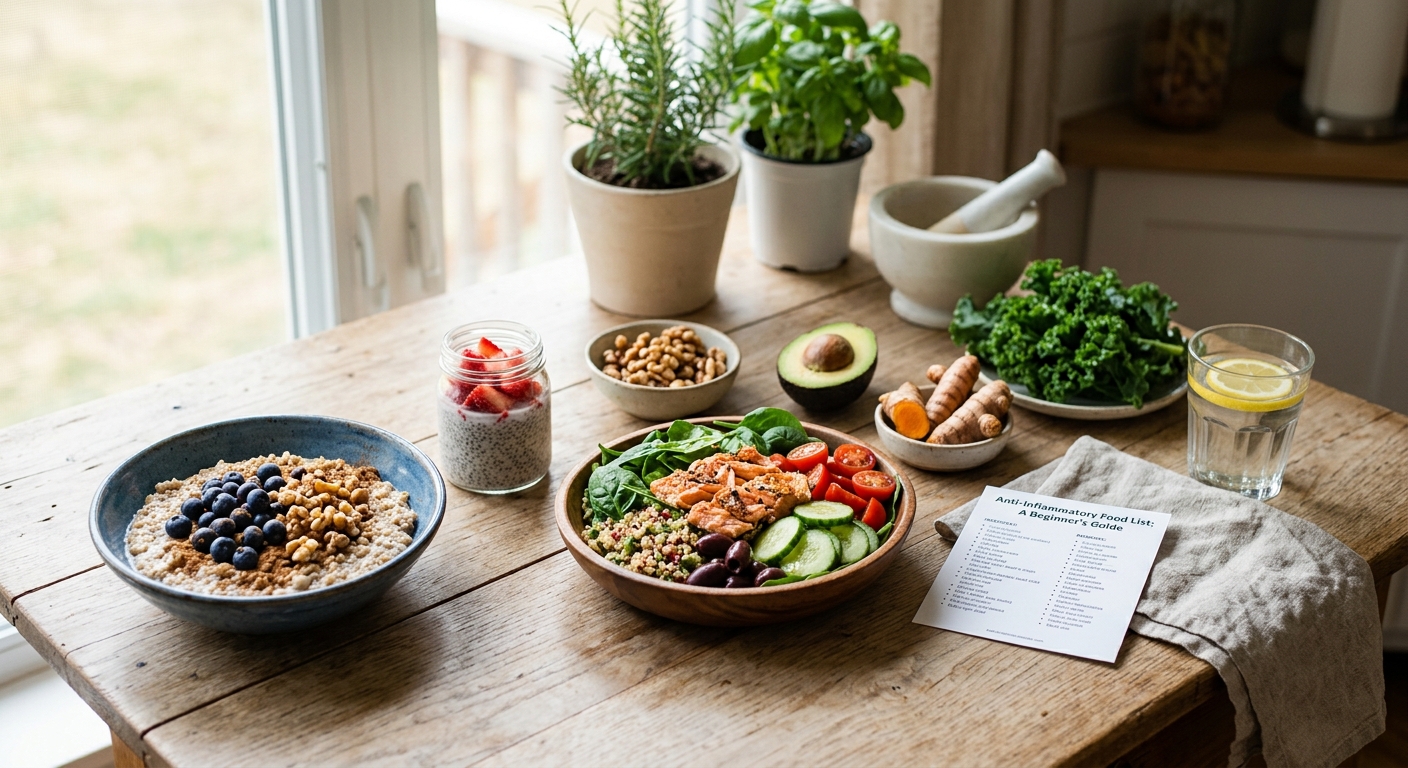
Living with chronic bodily discomfort, lingering fatigue, or subtle digestive distress can slowly diminish your daily vitality. Often, the hidden driver behind these persistent physical burdens is systemic cellular irritation. Adopting an intentional, anti-inflammatory approach to your daily nutrition offers a gentle, deeply restorative pathway toward reclaiming your energy, supporting your immune function, and protecting long-term health.
Understanding Systemic Irritation & Healing
Immune responses exist as a vital defensive mechanism. When you experience an acute injury or minor infection, localized swelling and heat act as protective shields. However, when lifestyle pressures, prolonged stress, processed food consumption, and environmental toxins continuously provoke this defense mechanism, the process becomes chronic. Over time, low-grade internal irritation damages healthy tissue, drains vitality, and contributes to metabolic disharmony.
Transitioning to a low inflammation diet is not about rigid deprivation or punitive calorie restriction. Instead, it represents a compassionate shift toward nutrient-dense, real foods that soothe cellular distress, reduce oxidative burden, and nourish your physiology from the inside out.
Core Principles of the Anti-Inflammatory Framework
Embracing an anti inflammatory diet centers around prioritizing whole, unrefined ingredients rich in natural antioxidants, phytonutrients, healthy lipids, and dietary fiber.
Key Pillars of Restorative Eating
-
Abundant Phytonutrients: Vibrant fruits and vegetables supply bioflavonoids and carotenoids that neutralize free radicals before they inflict cellular stress.
-
Essential Fatty Acids: Omega-3 lipids—found in fatty fish, walnuts, and flaxseeds—actively downregulate pro-inflammatory signaling pathways.
-
Gut-Nourishing Fiber: Complex carbohydrates and prebiotic fibers support a balanced microbiome, which regulates systemic immune activity.
-
Polyphenol-Rich Botanicals: Spices like turmeric, ginger, and garlic contain powerful bio-active compounds that calm tissue irritation.
Essential Ingredients: What to Enjoy vs. What to Limit
Building a sustainable, nourishing routine begins with clarity surrounding your grocery choices. Keeping a comprehensive anti inflammatory foods list on hand simplifies shopping and empowers your culinary decisions.
Foods That Nourish & Heal
To cultivate an effective diet to fight inflammation, prioritize filling your kitchen with these nutrient-dense staples:
-
Vibrant Berries: Blueberries, blackberries, and raspberries rich in anthocyanins.
-
Dark Leafy Greens: Spinach, kale, Swiss chard, and arugula loaded with folate and vitamins C and K.
-
Fatty Fish: Wild-caught salmon, mackerel, sardines, and anchovies packed with EPA and DHA.
-
Healthy Lipids: Cold-pressed extra virgin olive oil, avocados, and raw nuts.
-
Aromatic Spices: Turmeric (paired with black pepper for enhanced absorption), ginger, cinnamon, and garlic.
-
Fermented Foods: Unsweetened kefir, kimchi, sauerkraut, and plain Greek yogurt to support gut microbial diversity.
When designing your weekly menu, referencing a carefully curated anti inflammatory diet list helps ensure every meal delivers a balanced array of soothing nutrients.
Ingredients to Minimize Gently
Rather than viewing dietary changes through a lens of strict prohibition, view limiting certain foods as a loving choice to protect your physical well-being. Try to gradually minimize:
-
Refined Sugars & High-Fructose Corn Syrup: Triggers rapid glycemic spikes and inflammatory cytokine production.
-
Ultra-Processed Seed Oils: Industrial oils high in unstable omega-6 fats that encourage tissue irritation when consumed in excess.
-
Refined Carbohydrates: White bread, pastries, and processed snacks devoid of natural fiber.
-
Processed Meats: Bacon, sausages, and deli meats containing synthetic nitrates and advanced glycation end-products.
A Beginner-Friendly 3-Day Sample Meal Plan
Transitioning to an anti-inflammatory diet should feel comforting and delicious, never complex or overwhelming. Here is a simple 3-day meal plan designed to ease you into this nourishing lifestyle:
Day 1: Gentle Awakening
-
Breakfast: Warm steel-cut oatmeal cooked in unsweetened almond milk, topped with wild blueberries, crushed walnuts, and a dash of Ceylon cinnamon.
-
Lunch: Mediterranean quinoa bowl featuring baby spinach, cucumber, cherry tomatoes, kalamata olives, grilled chicken breast, and a generous drizzle of extra virgin olive oil.
-
Dinner: Pan-seared wild salmon served over a bed of steamed asparagus and roasted sweet potato wedges.
-
Snack: Sliced apple with almond butter or a handful of raw pumpkin seeds.
Day 2: Vibrant Vitality
-
Breakfast: Green smoothie blended with fresh kale, frozen pineapple chunks, chia seeds, grated fresh ginger, and coconut water.
-
Lunch: Hearty lentil and vegetable soup served alongside a mixed green salad dressed with lemon-tahini dressing.
-
Dinner: Baked turkey meatballs seasoned with herbs, served over zucchini noodles and warm marinara sauce with a side of steamed broccoli.
-
Snack: A small bowl of fresh blackberries and a few unroasted Brazil nuts.
Day 3: Soothing Comfort
-
Breakfast: Chia seed pudding layered with coconut milk, unsweetened cacao nibs, and sliced fresh strawberries.
-
Lunch: Avocado and wild-caught canned sardine toast on sprouted whole-grain bread, topped with microgreens and crushed red pepper flakes.
-
Dinner: Golden turmeric chicken breast baked with cauliflower florets, red onion, and garbanzo beans.
-
Snack: Golden milk tea made with warm oat milk, turmeric, black pepper, and a tiny hint of raw honey.
Nutritional Comparison: Standard vs. Healing Nutrition
Understanding how an inflammation diet differs from refined modern eating highlights the profound benefits of whole-food nutrition:
| Dietary Aspect | Standard Processed Pattern | Anti-Inflammatory Framework |
| Primary Lipids | Industrial seed oils (soy, corn) | Extra virgin olive oil, wild fish, avocado |
| Carbohydrate Source | Refined grains, added sugars | Intact whole grains, root vegetables, berries |
| Protein Focus | High-fat processed meats | Wild-caught seafood, poultry, legumes, seeds |
| Micronutrient Profile | Nutrient-depleted, synthetic additives | Rich in natural polyphenols, vitamins, & minerals |
| Impact on Gut Microbiome | Reduces diversity, weakens gut barrier | Enhances microbial diversity & gut integrity |
Nurturing Lasting Habits for Long-Term Wellness
Adopting a restorative eating routine is a gradual journey of self-care. Small, consistent choices made with love and mindfulness yield far greater results than brief periods of perfectionism. Celebrate each nourishing meal as a step toward vibrant health, renewed physical ease, and sustained vitality.